
Parking Automation Systems
HGS/OGS tag entry, payment and ticket stations, free space guidance, traffic signals and tyre killers for car parks. One point of contact from site survey to commissioning, and from software to periodic maintenance.

Parking Lock (Lockable Parking Post)
Secure your private parking space with a key-locked folding post.
Details and site survey request →
HGS / OGS Tag Entry Systems
An entry system that recognises the vehicle's HGS toll tag and opens the barrier automatically.
Details and site survey request →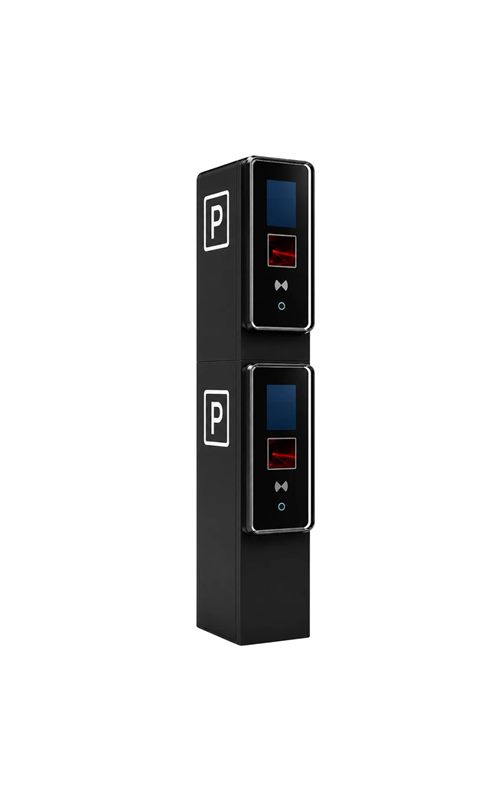
Parking Ticket and Payment Systems
Ticketing, fee collection and software for paid car parks.
Details and site survey request →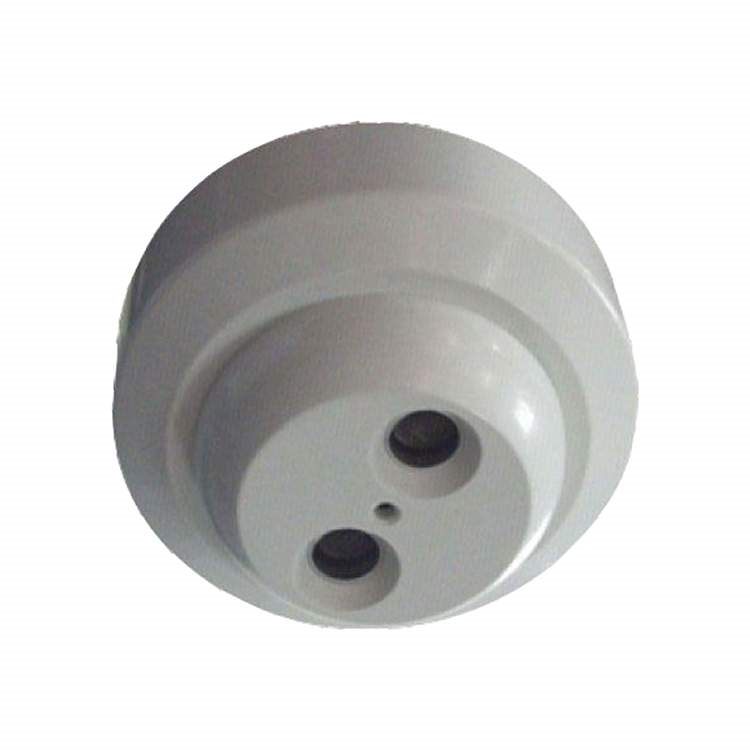
Parking Space Occupancy Systems
A sensor-based system that shows free parking spaces and guides drivers to them.
Details and site survey request →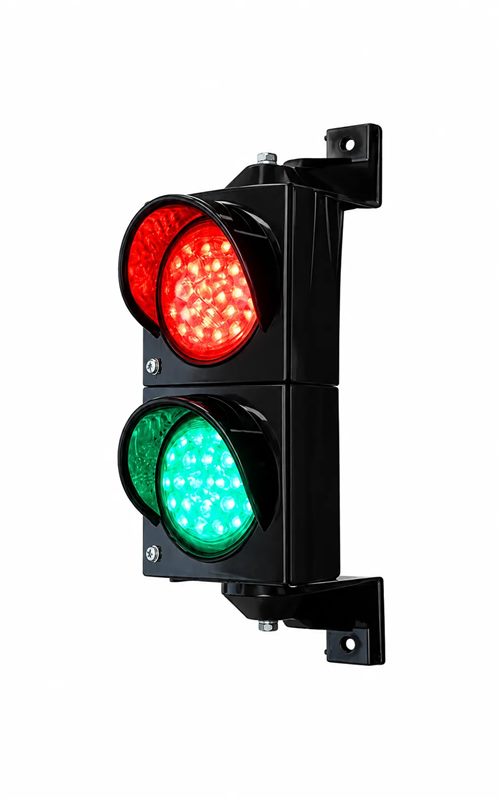
Traffic Lights and Signalling
Red-green LED lights for car park entrances and ramps.
Details and site survey request →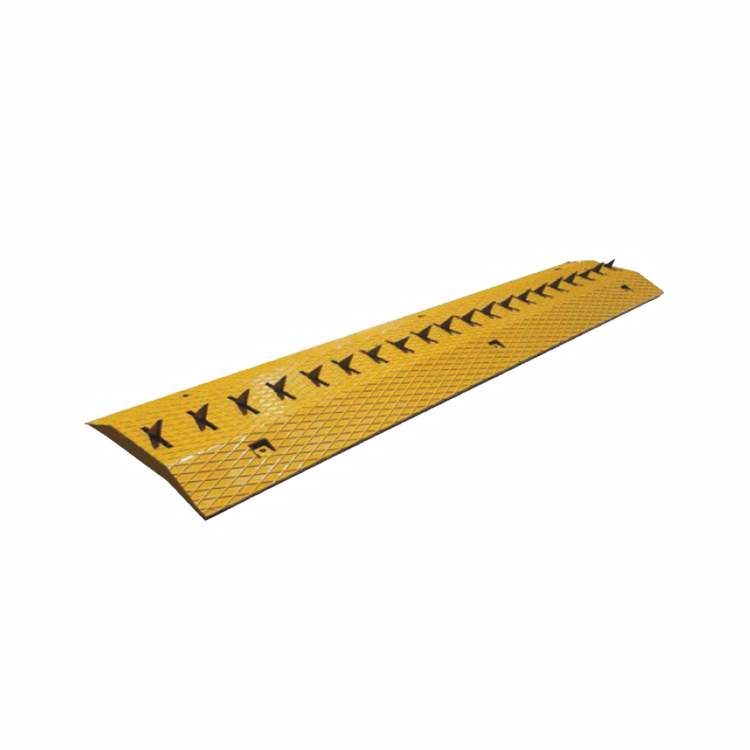
Tyre Killer (One-Way Spike Barrier)
Fixed and hydraulic spike barriers that stop vehicles travelling in the wrong direction.
Details and site survey request →What Do Parking Automation Systems Cover?
When set up correctly, the whole process from a vehicle pulling up to the car park gate until it drives away requires almost no human intervention. Parking automation systems is the collective name for the hardware and software that manage this process. Which vehicles are let in, how the fee is collected, how the driver reaches a free space, how flow on the ramps is regulated and how wrong-way entry is prevented are the questions these systems answer. Every car park has its own needs: in a residential complex, fast passage for registered vehicles may be enough, while a shopping mall car park needs ticketing, payment and parking guidance all at once. In this guide, we place the solutions in this category side by side and summarise which one fits which scenario.
A Layered Structure: Detection, Decision and Guidance
From a software perspective, parking automation can be thought of in three layers. The detection layer includes loop detectors, UHF antennas, ticket and card readers and parking space sensors. In the decision layer, the parking software and control panels reach a result by comparing incoming data with permission, tariff and scenario rules. The guidance and physical control layer consists of tyre killers, LED displays, traffic lights and barriers. In a successful project these layers communicate with each other: the exit barrier does not rise until payment is complete, and the light at the far end stays red while a vehicle is on the ramp.
Solutions in This Category at a Glance
| Solution | Function | Commonly used in |
|---|---|---|
| Tyre killer (one-way spike barrier) | Physically stopping vehicles trying to enter in the wrong direction | Car park exits and facility entrances requiring security |
| Parking space occupancy system | Detecting free spaces and guiding drivers to them | Multi-storey indoor car parks |
| Tag entry with HGS / OGS | Reading the vehicle tag and letting registered vehicles in without stopping | Car parks of residential complexes, factories, institutions and staff |
| Signalling and traffic lights | Sequencing traffic on ramps and internal roads with lights | Single-lane ramps, loading areas, on-site roads |
| Ticketing and payment automation | Issuing a ticket at entry, calculating the duration and collecting the fee at exit | Paid car parks, shopping malls, hospitals and hotels |
Entry control: tag or ticket?
In car parks where the users are known and the same vehicles arrive every day, an HGS tag entry system is the most effortless option; the driver does not stop, and the system simply reads the tag's ID. In paid car parks with many visitors, ticketing and payment solutions come into play. In many projects the two work together: subscribers pass with a card or tag, visitors with a ticket.
Guidance and safety inside the car park
As the number of parking spaces grows, finding a free one gets harder; this is where parking space guidance eases internal traffic. On single-lane ramps, ramp signalling prevents vehicles coming from opposite directions from meeting head-on. A one-way spike barrier is used to stop vehicles entering through exit lanes.
Example combinations by type of facility
Residential complexes and residences: A barrier with HGS tag entry, plus plate recognition for guest vehicles, meets the need in most cases; in indoor car parks with a single-lane ramp, a traffic light is added as well.
Shopping malls and hospitals: Ticket and payment kiosks for visitors, tag entry for staff, tyre killers on exit lanes and space guidance on multi-storey levels are designed together.
Factories and logistics facilities: Tag entry for employee and shuttle vehicles, signalling for loading areas and hydraulic tyre killers for entrances and exits that require security are a good fit.
Private paid car parks: Subscriber cards work alongside a ticket machine and a central pay station or kiosk; if valet service is offered, a mobile handheld terminal also joins the process.
A Decision Guide for Parking Automation Systems
- Determine who uses the car park: registered vehicles, visitors or both.
- Clarify whether a fee will be charged.
- List the entry and exit lanes, ramp layout and number of levels.
- Assess the daily number of vehicles and queue length at peak hours.
- Check whether existing barriers and cabling on site can be reused.
- Write down your expectations for reporting, subscriber management and remote monitoring.
- Decide whether to commission the systems all at once or in stages.
Installation Workflow from Project to Handover
The first step is the site survey, which we carry out free of charge within Istanbul. Lanes, ramps, and power and data lines are inspected on site, and a requirements list and layout plan are drawn up. Next, groundwork, loops and cable channels are completed, devices are mounted, and the control panels and software are configured. All systems are tested together, scenarios are verified and the operating staff are trained. The installation scope is defined separately for each project; all products can be shipped to all 81 provinces.
What Determines the Cost of Parking Automation?
- The number of systems chosen and how closely they are integrated
- Number of lanes, levels and parking spaces
- Type and number of payment points
- Scope of the software and reporting requirements
- Floor cutting, cabling and construction preparations
- How far existing infrastructure can be reused
Let's Find the Right Combination for Your Car Park Together
Sensör Software provides sales, installation and service for parking automation from Perpa Ticaret Merkezi (Şişli), Istanbul. With more than 25 years of field experience covering both software and hardware, we work with you to determine the system combination that suits your car park. You can fill in the quote form or send your lane and level details via WhatsApp.
Systems used alongside these
Frequently asked questions about Parking Automation Systems
Do you have a remote-controlled model?
Yes. Battery-powered, remote-controlled personal parking barriers are also available; contact us for details.
How many keys come with the product?
The standard package includes several keys; additional keys can also be ordered.
Is it legal to install a lock on a parking space?
Installing a lock on a parking space that you own or that has been allocated to you is possible in most cases; however, in common areas the building management plan and board decisions are decisive, and in public areas the permission of the relevant municipality. We recommend consulting the competent authority before installation.
How does a remote-controlled parking lock work?
On these models, the body is raised and lowered by remote control using a battery-powered motor. The driver can open and close the parking space without getting out of the vehicle.
Request a quote for your project
Send us the number of doors / access points, the number of staff and your address, and we will call you to arrange a site survey and quotation.