
Vehicle Access Control with Barrier Systems
Parking boom barriers, license plate recognition, road blockers, bollards and gate motors. One point of contact from site survey to commissioning, and from software to periodic maintenance.

Parking Barrier Systems
Motorised boom barriers for residential complexes, factories and shopping mall entrances.
Details and site survey request →
License Plate Recognition System
Camera and software that read the number plate and automatically open the barrier for authorised vehicles.
Details and site survey request →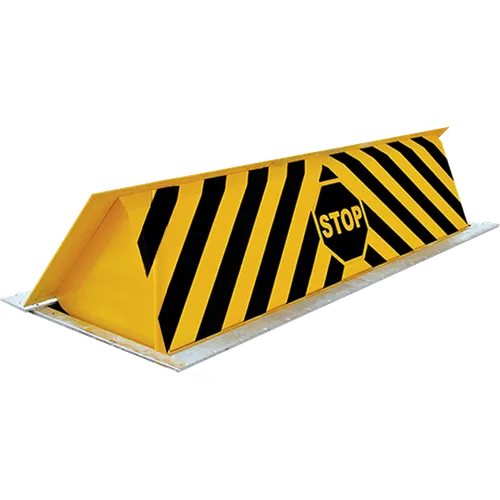
Bollards and Road Blockers
High-security vehicle barriers that sit flush with the ground and rise when needed.
Details and site survey request →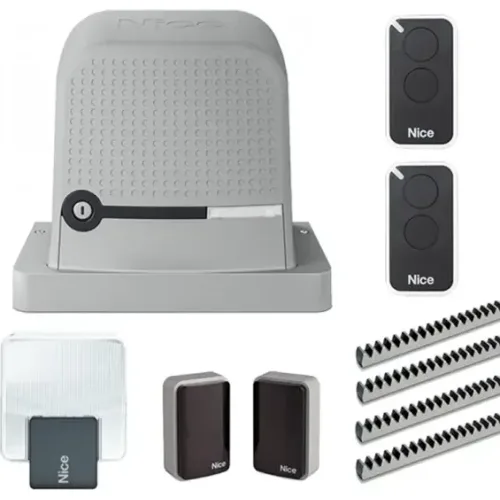
Automatic Gate Motors
Automation motors for swing, sliding and garage gates.
Details and site survey request →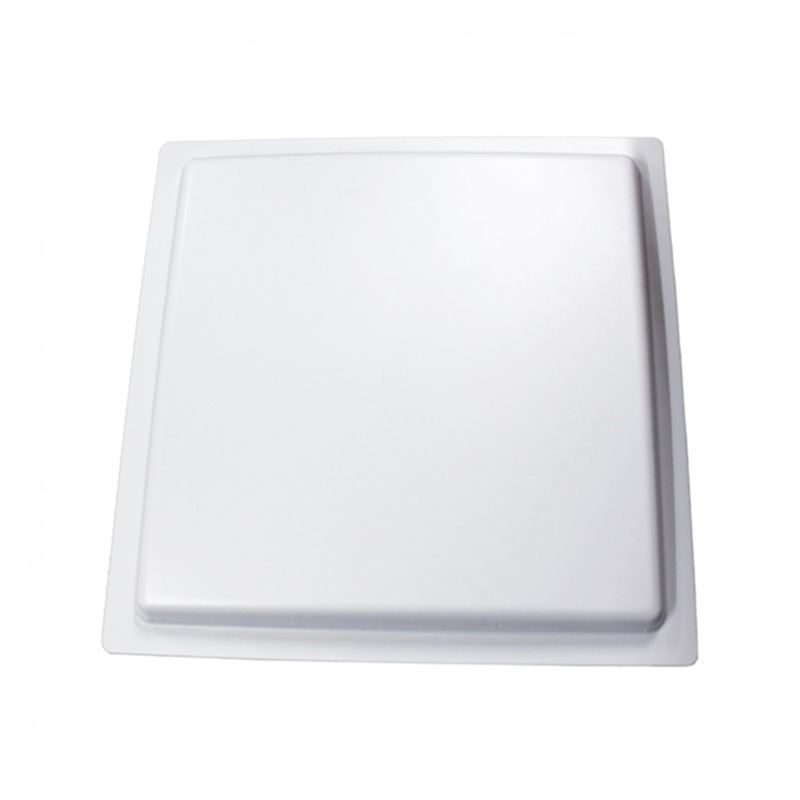
UHF Long-Range Reader
A reader that recognises the UHF tag on the windscreen from several metres away and opens the barrier.
Details and site survey request →
Barrier Accessories
Loop detectors, photocells, flashing lights, barrier arms and support posts.
Details and site survey request →
Automatic Door Openers
Automatic openers that operate swing doors via push button, card or remote control.
Details and site survey request →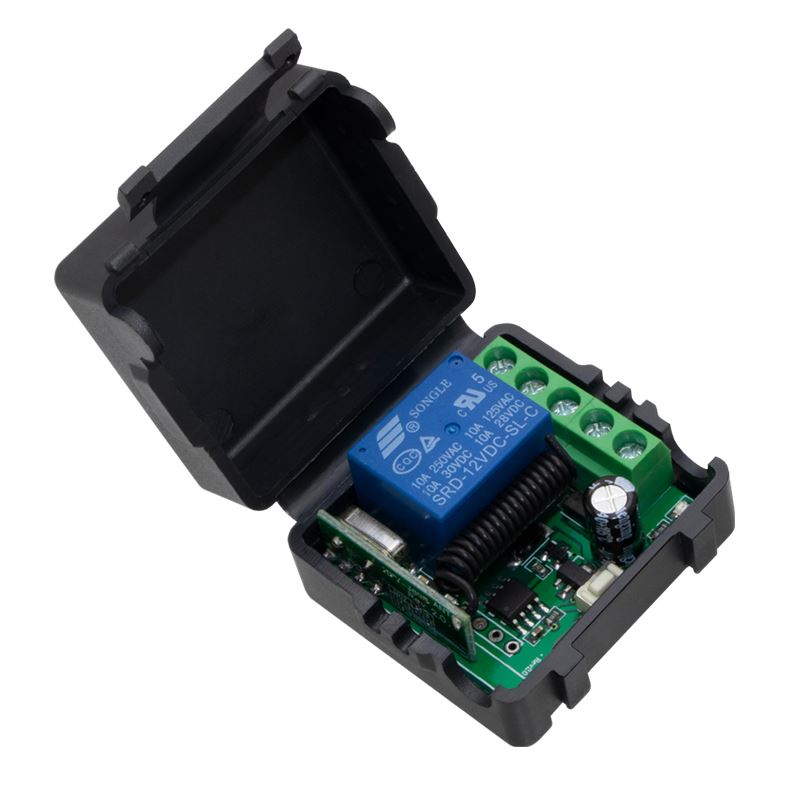
Remote Control and Relay Modules
433 MHz and Wi-Fi relay modules for barriers, roller shutters and gates.
Details and site survey request →What Are Barrier Systems For?
Barrier systems are automation solutions that control vehicles entering and leaving a site, keep unauthorised vehicles out and bring order to vehicle traffic. Used in residential complexes, shopping malls, hospitals, factories, logistics warehouses, business centres and public buildings, vehicle barrier systems cover a wide product range, from a simple boom barrier to automatic plate-activated entry and on to impact-resistant bollards. The right choice depends on the security level, traffic volume and who the users are.
A Common Operating Principle
Whatever their type, automatic barrier systems work on a similar logic: the control unit drives the motor on a command from the authorisation source (remote control, card, plate recognition camera or the guard's button); the barrier opens, the vehicle passes and the barrier closes again based on data from the detection sensors. The only thing that changes is the barrier itself: an arm, a rising post, a sliding gate or a plate that rises from the ground.
What Types of Barriers Are There?
Parking boom barrier
This is the most widely used option. It organises vehicle flow, deters unauthorised entry and can be installed relatively quickly. For details, see our boom barrier page.
Barrier with plate recognition
With a camera and software added to a boom barrier or gate, vehicles on the authorised list pass without a remote control, and every movement is archived with a photo. Learn more: automatic entry by number plate.
Bollards and road blockers
These high-security barriers rise from the ground and physically stop a vehicle attempting to force its way in. Details: rising bollard barriers.
Automatic sliding gate
By closing off the entrance completely, it also contributes to perimeter security; it can be used alongside a boom barrier in residential complexes and factories. See: gate motor solutions.
Barrier Types Compared
| Type | Security level | Installation and infrastructure | Best suited for |
|---|---|---|---|
| Boom barrier | Low – medium (deterrent) | Relatively easy; base and cabling | Car parks of residential complexes, malls, hospitals and business centres |
| Barrier with plate recognition | Medium, with strong record-keeping | Additional camera, pole and software | Entrances with many resident or staff vehicles |
| Bollard / road blocker | High (physical stopping) | Requires excavation, concrete foundation and drainage | Public buildings, critical facilities, pedestrian zones |
| Automatic sliding gate | Medium – high (full closure) | Track, base, motor and gear rack | Entrances of residential complexes, villas, factories and warehouses |
Equipment That Completes the System
- Photocell: Stops the movement when it detects a vehicle or person in the barrier's closing path.
- Loop detector: Detects the vehicle through a wire loop embedded in the road; it prevents the arm from lowering or the bollard from rising while a vehicle is above it, and triggers automatic closing after passage.
- Remote control: For opening from a distance; we recommend encrypted models that resist cloning.
- Battery: Keeps the barrier operating for a while during a power cut.
- Flashing light, traffic light and illuminated arm: Help make the barrier visible and organise the queue.
- Long-range reader: With UHF readers that recognise the tag on the windscreen from several metres away, drivers can pass without opening their window.
What Happens During a Power Cut?
On boom barriers without a battery, the arm stays in its current position when power is lost. In that case, the lock on the housing is opened with its dedicated key, the motor is released and the arm is lifted by hand; when power returns, the lock must be re-engaged. Depending on the model, bollards and gate motors also have a manual lowering or release mechanism. It is very important that security staff practise these procedures on installation day and that the key is kept somewhere easy to reach.
The Right Combination for Each Type of Site
In residential complexes, the most practical pairing is a boom barrier that opens by number plate for residents, with visitors managed from the security booth. For shopping mall and hospital car parks, fast-rising barriers built for heavy traffic and separate entry and exit lanes are recommended. In factories and logistics warehouses, heavy vehicle traffic calls for long arms, support posts and barriers working together with sliding gates. In public buildings and critical facilities, a boom barrier handles day-to-day flow while a bollard or road blocker forms the second line of defence. In underground car parks, the ceiling height must always be measured to determine whether an articulated arm is needed.
Questions to Ask Yourself Before Choosing
- Is your goal to deter, or to physically stop a vehicle?
- How many vehicles pass per day, and what is the flow like at peak times?
- Are the users always the same people (residents, employees), or do they change constantly (visitors, customers)?
- What are the entrance width, ceiling height and ground conditions?
- Is integration with cards, PDKS or plate recognition needed?
- How often are there power cuts, and is a battery essential?
Factors That Affect Barrier System Prices
- Barrier type, arm length or number of bollards
- Motor class and durability for daily use
- Accessories such as photocells, loop detectors, batteries and flashing lights
- Opening method: remote control, card or plate recognition
- Civil works such as excavation, concrete, trenching and cable laying
- Number of lanes and the entry-exit layout
Barrier prices therefore cannot be read off a product list; they are finalised once the project's requirements become clear during the site survey.
How Does Installation Proceed?
- During the site survey, lane layout, ground conditions, and electrical and network infrastructure are assessed.
- The base or foundation is prepared; cable conduits are laid and, if needed, loop channels are cut.
- The barrier housing is set in place and the arm or bollards are fitted.
- Accessories and control equipment are connected.
- Safety functions and manual opening are tested, and users are trained.
Periodic Maintenance
Spring tension, photocell alignment, battery condition, hydraulic oil level and drainage are the main points checked during periodic maintenance. Regular maintenance prevents the entrance from jamming at the most unexpected moment.
Barrier Installation and Service in Istanbul
From its office at Perpa Ticaret Merkezi in Istanbul, Sensör Software sells, installs and services barriers with more than 25 years of field experience; our site surveys in Istanbul are free, and we ship to all 81 provinces. Request a quote for your project or message us on WhatsApp.
Systems used alongside these
Frequently asked questions about Barrier and Automation Systems
What happens to the barrier during a power cut?
If a battery pack is fitted, it keeps working for a while; if not, the motor is released with the key and the arm is lifted by hand.
How is the arm length determined?
The arm is chosen according to the net measured width of the entrance. For arms longer than four metres, a support post at the tip is recommended.
Is there a risk of the arm coming down on a vehicle?
No. If the photocell or loop detector detects a vehicle, the arm does not lower and, if necessary, rises again.
How is a parking barrier opened when there is no power?
The housing cover is opened with the key supplied with the barrier, the motor lock is released and the arm is lifted by hand. When power returns, the lock must be re-engaged.
Request a quote for your project
Send us the number of doors / access points, the number of staff and your address, and we will call you to arrange a site survey and quotation.